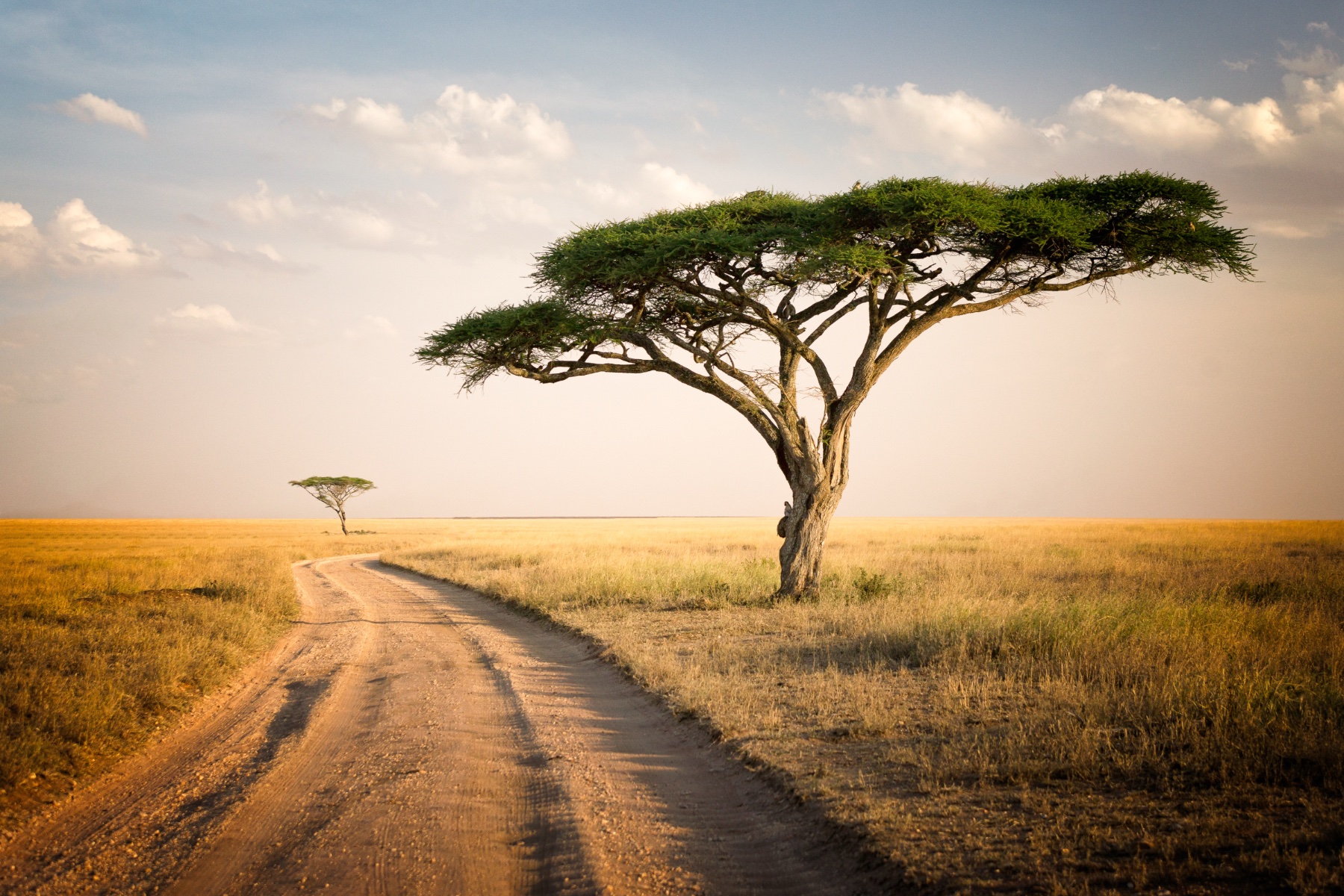
Where Lions Climb Trees
Lake Manyara National Park
Compact Jewel of the Great Rift Valley
Discover Lake Manyara
Lake Manyara National Park is often described as a "small jewel" — and while compact compared to the Serengeti or Ngorongoro, what it lacks in size it more than compensates for in diversity, beauty, and cinematic drama.
Framed by the dramatic escarpment of the Great Rift Valley, the park feels like a living stage where nature performs in harmony. Ernest Hemingway once called it "the loveliest I had seen in Africa," and though much has changed since his time, the sentiment remains apt. This is a place of remarkable concentration — diverse habitats packed into a relatively small area, creating wildlife viewing that punches far above its weight.
The Mystery of the Tree-Climbing Lions
Lake Manyara is most famous for a behavior seen in very few places in Africa: tree-climbing lions. While lions everywhere will occasionally climb trees, in Manyara it has become a regular habit, particularly during the heat of the day.
The sight is surreal — these massive predators draped languidly across acacia branches, sometimes three or four lions in a single tree, seemingly defying gravity and common sense. Theories abound as to why they do this: to escape biting flies, to catch cooling breezes above the ground, or simply because they've learned they can.
Spotting them requires patience and a good guide who knows their preferred trees. But when you do find them — perhaps a lioness stretched along a horizontal branch, completely relaxed, gazing down at you with golden eyes — the moment is unforgettable. It's one of those wildlife encounters that makes you shake your head in wonder at the adaptability and unpredictability of nature.
A Tapestry of Habitats
What makes Lake Manyara special is the extraordinary diversity of ecosystems packed into its compact boundaries. Your game drive might begin in groundwater forest — a lush, cathedral-like woodland where ancient fig trees tower overhead and troops of blue monkeys and baboons move through the canopy.
Elephants favor these forests, browsing on the abundant vegetation. The forest elephants of Manyara are known for being particularly relaxed around vehicles, allowing for some of the most intimate elephant encounters in Tanzania. Buffalo rest in the shade, and if you're fortunate, you might spot a leopard in the dense vegetation.
As you move through the park, the forest gradually gives way to acacia woodland, then to open floodplains and finally to the lakeshore itself. Each zone supports different species, creating a wildlife viewing experience that remains varied and engaging despite the park's relatively small size.
The Lake: A Haven for Birdlife
The lake that gives the park its name is a shallow alkaline soda lake, its waters rich in algae that support an extraordinary diversity of aquatic birds. During certain seasons, the shoreline turns pink with flamingos — sometimes numbering in the tens of thousands — creating one of Africa's most photogenic scenes.
But flamingos are just the beginning. Over 400 bird species have been recorded in Lake Manyara, making it one of Tanzania's premier birding destinations. Pelicans fish in the shallows, cormorants dry their wings on dead trees, storks patrol the water's edge, and countless species of ducks, geese, and waders feed in the mudflats.
Raptors are abundant as well. Fish eagles perch in lakeside trees, their distinctive calls echoing across the water. Augur buzzards, black-shouldered kites, and numerous other species of prey patrol the skies. For serious birdwatchers, Manyara can easily consume an entire day without ever feeling repetitive.
The Great Rift Valley Setting
Lake Manyara's setting adds immeasurably to its appeal. The park lies at the bottom of the Great Rift Valley's western escarpment, with sheer cliffs rising 600 metres behind you as you explore. This dramatic backdrop creates a sense of enclosure and intimacy, as if you're exploring a hidden world.
The escarpment also creates its own weather patterns, with moisture rising up the cliffs to form clouds and occasional rains even in the dry season. This reliable water supply is part of what makes the park so verdant and productive, supporting vegetation and wildlife densities that would be impossible in a drier landscape.
Other Wildlife Encounters
Beyond the famous tree-climbing lions and abundant birdlife, Lake Manyara supports healthy populations of other species. Giraffes move through the acacia woodlands, their height allowing them to browse leaves other herbivores cannot reach. Large herds of zebra and wildebeest graze the floodplains. Impala and waterbuck are common near water sources.
Hippos spend their days wallowing in the lake's permanent pools, emerging at night to graze. The park's baboon troops are exceptionally large and entertaining to watch, with complex social dynamics playing out as youngsters play and adults groom and squabble over status.
Practical Considerations
Lake Manyara is often visited as a half-day experience, typically on the way to or from the Ngorongoro Crater or Serengeti. While this is sufficient to get a taste of the park, those with more time will be rewarded by spending longer here.
The park can be visited year-round, though wildlife viewing varies by season. During the dry season (June-October), animals concentrate around permanent water sources. During the rains (November-May), the park is at its most lush and green, though wildlife can be more dispersed.
For photographers, Manyara offers exceptional opportunities. The combination of diverse habitats, dramatic backdrop, interesting light (particularly in the forest), and the possibility of unusual behaviors like tree-climbing lions makes it a favorite among wildlife photographers.
Why Manyara Matters
In a northern circuit that can feel rushed — particularly for visitors trying to see multiple parks in limited time — Lake Manyara offers something valuable: variety within a compact space. You can experience forest, woodland, grassland, and lakeshore ecosystems all in a single morning, encountering an impressive range of species without the long drives between areas.
The park also serves as an important reminder that conservation isn't just about vast wilderness areas. Smaller parks like Manyara play a crucial role in protecting specific ecosystems and serving as corridors between larger reserves. The groundwater forest here, in particular, is increasingly rare in Tanzania.
Lake Manyara may be compact, but it is complete — a microcosm of what makes East African wildlife viewing so extraordinary. And those tree-climbing lions? They're a perfect metaphor for the park itself: unexpected, delightful, and proof that in Africa, there are always surprises waiting for those who take time to look.
Quick Facts
Tree-Climbing
Lions (rare behavior)
Flamingos
Thousands in season
400+
Bird Species
Diverse
Forest to Lake Habitats
Planning Your Visit
Best Time to Visit
Year-round. Dry season for concentrated wildlife, green season for lush landscapes and birdlife
Recommended Duration
Half day minimum, full day ideal for serious wildlife viewing and photography
Accommodation Options
Nearby lodges in Karatu and Mto wa Mbu
Getting There
2 hour drive from Arusha. Often combined with Ngorongoro or Tarangire
Experience Lake Manyara
Discover Tanzania's compact jewel and its famous tree-climbing lions. Let us include Lake Manyara in your safari adventure.