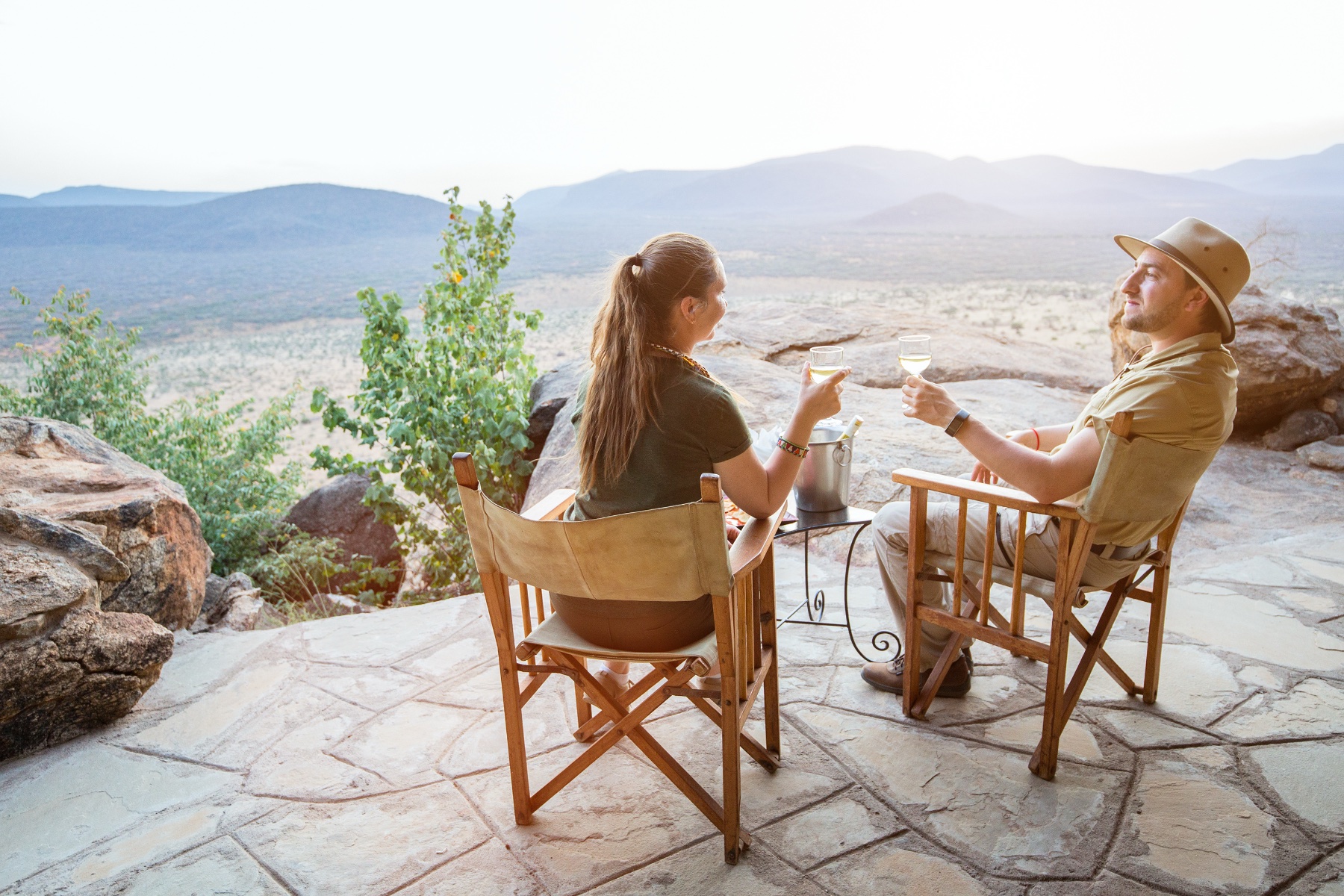
Tanzania's Crown Jewel
Serengeti National Park
Where the Plains Stretch Endless
Explore the Serengeti
The name Serengeti comes from the Maasai word siringit — meaning "endless plains." It is a fitting description for a landscape that seems to stretch beyond the horizon in every direction, where the sky meets the earth in a line so distant it feels like a dream.
This is Tanzania's most famous park, and for good reason. The Serengeti is not merely a wildlife reserve — it is one of the last places on Earth where vast animal migrations still occur as they have for millennia, where predator and prey play out ancient dramas across golden grasslands, and where the natural order continues uninterrupted beneath immense African skies.
The Great Migration: Nature's Greatest Spectacle
Every year, over 1.5 million wildebeest, accompanied by hundreds of thousands of zebras and gazelles, undertake a circular journey through the Serengeti ecosystem in search of fresh grazing. This is the Great Migration — one of the most extraordinary wildlife events on the planet.
The migration follows the rains in a clockwise pattern. Between January and March, the southern plains of the Serengeti transform into a nursery as approximately 500,000 wildebeest calves are born within a matter of weeks — a staggering abundance of new life that draws predators from across the region.
By June and July, the herds begin moving north toward Kenya's Masai Mara, facing their greatest challenge: the crossing of the Grumeti and Mara Rivers. These crossings are moments of pure drama — thousands of animals plunging into crocodile-infested waters, desperation and survival instinct driving them forward despite the dangers. Witnessing a river crossing is something few forget.
From October through December, the herds return south, completing the cycle. But the Serengeti is far more than just the migration — it is a year-round paradise for wildlife enthusiasts.
Resident Wildlife: A Year-Round Paradise
While the migration captures imaginations, the Serengeti's resident wildlife is equally impressive. The park is home to roughly 3,000 lions — one of the largest lion populations anywhere in Africa. The Seronera Valley, in particular, is famous for its resident prides, which can often be found lounging on rocky outcrops or hunting in the open grasslands.
Leopards patrol the acacia woodlands, often seen draped languidly over branches in the heat of the day. Cheetahs prefer the open plains, where their incredible speed gives them an advantage in pursuit of Thomson's gazelles. Elephants move in multigenerational herds, and buffalo gather in impressive numbers near water sources.
The park also shelters over 500 bird species, from the magnificent secretary bird striding through the grass in search of snakes, to vast flocks of flamingos gathering at soda lakes, to the unmistakable lilac-breasted roller — a flash of electric blue impossible to miss.
The Landscape: Diverse and Timeless
The Serengeti is not a single landscape but a mosaic of different ecosystems. The southern plains are vast and open — classic savannah dotted with occasional acacia trees. The western corridor features riverine forests and the dramatic Grumeti River. The north becomes hillier and more densely vegetated as it approaches the Masai Mara.
Throughout the park, granite outcrops called kopjes rise from the plains like islands in a sea of grass. These rocky formations provide shelter for animals and vantage points for predators — particularly lions, who use them as lookout posts over their territories.
When to Visit
The Serengeti rewards visitors year-round, but timing can enhance specific experiences:
- • January to March: Calving season in the southern plains — dramatic predator action
- • June to July: Western corridor river crossings at the Grumeti River
- • July to October: Northern Serengeti for Mara River crossings
- • November to December: Short rains bring lush landscapes and fewer crowds
But truthfully, the Serengeti never disappoints. Even outside migration season, the resident wildlife ensures extraordinary game viewing every single day.
Why the Serengeti Matters
Very little has changed in the Serengeti over the past million years. The same patterns of life and death, predator and prey, birth and survival continue as they always have. In a world increasingly shaped by human hands, the Serengeti stands as a reminder of how the Earth once was — and how it still can be, when we choose to protect it.
To witness the Serengeti is to witness nature at its most raw, most beautiful, and most honest. It is a privilege — one that comes with the responsibility to ensure this extraordinary ecosystem endures for generations yet to come.
Quick Facts
3,000+
Lions
1.5 Million
Migrating Animals
500+
Bird Species
UNESCO
World Heritage Site
Planning Your Visit
Best Time to Visit
Year-round (Migration: July-October, Calving: January-March)
Recommended Duration
Minimum 3 nights, ideal 4-5 nights to explore different areas
Accommodation Options
Seasonal camps, permanent lodges, mobile camps
Getting There
4-5 hour drive from Arusha, or fly to Seronera airstrip (1 hour)
Experience the Serengeti
Let us craft a Serengeti safari that matches your dreams — whether you're chasing the migration, seeking the Big Five, or simply wanting to witness the endless plains.