Elephant Paradise
Tarangire National Park
The Land of Giants and Ancient Baobabs
Discover Tarangire
Tarangire National Park often sits quietly in the shadow of its more famous neighbors — the Serengeti and Ngorongoro. But those who visit discover something the crowds miss: a park of remarkable beauty, exceptional wildlife density, and an atmosphere of unhurried tranquility that feels increasingly rare.
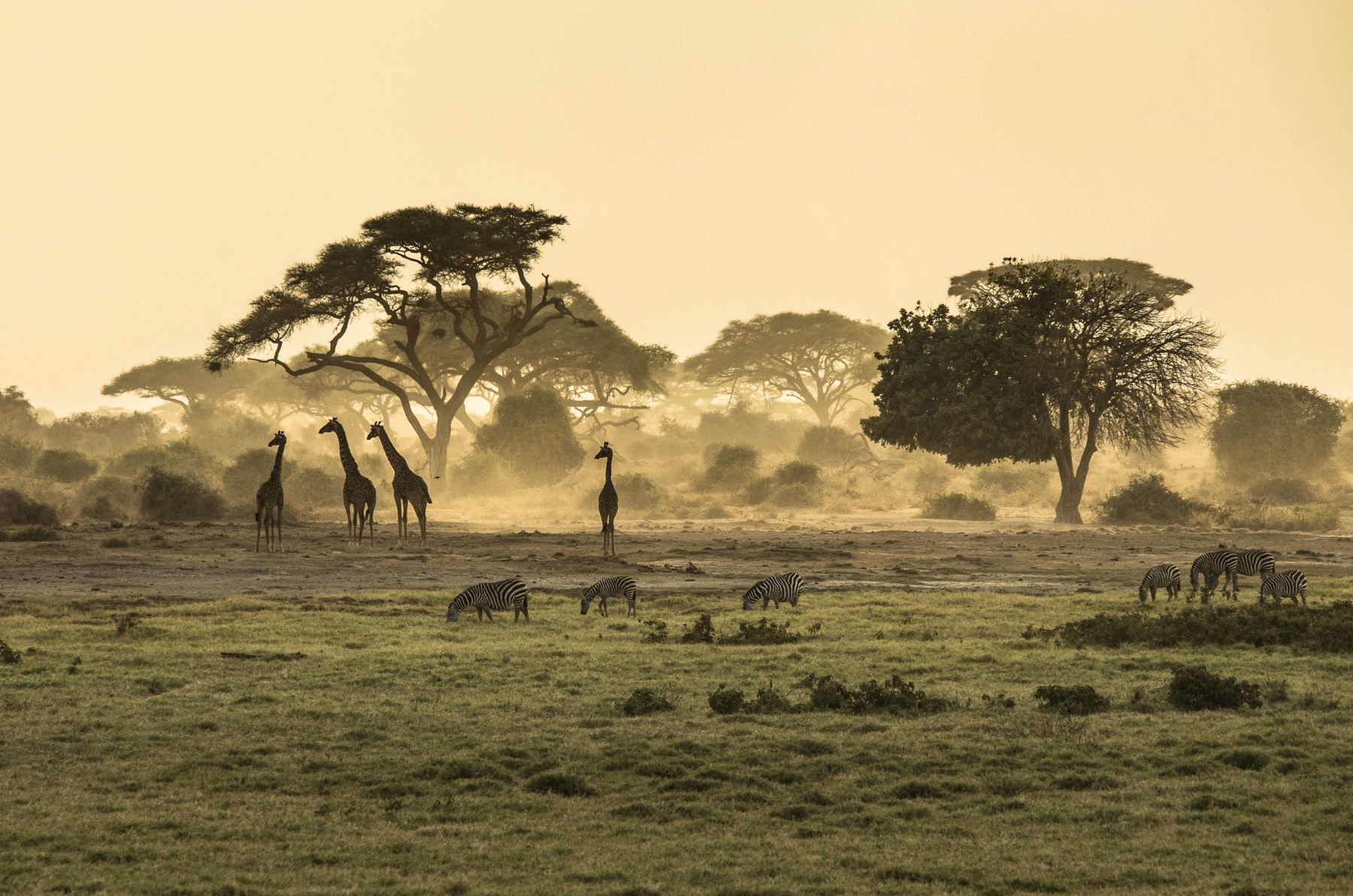
This is a landscape painter's dream: endless savannahs interwoven with acacia woodland and dominated by ancient baobab trees — those mighty sentinels that have stood for centuries, their massive trunks and gnarled branches creating silhouettes against African skies that seem lifted from storybooks.
Elephant Country
Tarangire is most famous for its elephants — and with good reason. During the dry season (June through October), the park becomes a gathering place for massive elephant herds, sometimes numbering in the hundreds. They come for the Tarangire River, which flows year-round even when water elsewhere has dried to dust.
Watching these gentle giants interact is endlessly fascinating. Matriarchs lead their families to drink, youngsters splash and play in the shallows, and the ancient hierarchy of elephant society plays out before your eyes. The red dust of Tarangire coats their hides, and they spray it over themselves in clouds that catch the golden afternoon light.
But Tarangire's elephants are not just numerous — they are among the largest in Africa. The bulls, in particular, carry impressive tusks, having been spared the intense poaching pressure that devastated populations elsewhere. To see them moving through the baobab woodlands, their size matching the scale of the ancient trees, is to witness Africa as it once was.
Beyond the Giants: Remarkable Diversity
While elephants claim the spotlight, Tarangire shelters a rich diversity of wildlife that rewards those who look beyond the megafauna. The park is home to large populations of buffalo, wildebeest, and zebra. Giraffes browse among the acacias, their long necks allowing them to reach leaves other herbivores cannot.
Tarangire is also one of the few places where you might spot some of Africa's more elusive species. The fringe-eared oryx, with its magnificent straight horns and distinctive ear tufts, is found here in good numbers. The graceful gerenuk — a long-necked antelope that stands on its hind legs to browse — offers photographers remarkable opportunities. Lesser kudu, with their elegant spiral horns, move through the thicker vegetation.
Predators patrol the park as well. Lions are regularly spotted, often lounging in the shade of baobabs or draped across termite mounds surveying their territory. Leopards, though elusive, inhabit the riverine forests and rocky areas. Cheetahs prefer the open plains, and spotted hyenas emerge at dusk to begin their nocturnal hunts.
A Birdwatcher's Paradise
With over 550 recorded bird species, Tarangire is one of Tanzania's premier birding destinations. The variety is staggering — from the massive Kori bustard stalking through the grasslands to tiny jewel-like sunbirds darting among the flowers.
The park is particularly famous for its raptors. Martial eagles, Africa's largest eagle, nest in the tall acacias. Bateleur eagles perform their distinctive rolling flight displays. Secretary birds stride across the plains with unlikely grace, and vultures circle overhead in numbers that speak to the abundance of life — and death — on the savannah below.
The Baobabs: Silent Witnesses
The baobabs of Tarangire deserve special mention. These ancient trees, some over 2,000 years old, dominate the landscape in a way that feels almost spiritual. African legend says the baobab was planted upside down by the gods — and looking at their thick trunks and root-like branches reaching skyward, it's easy to see why.
These trees are not merely scenic — they are ecosystems unto themselves. Their massive trunks store thousands of litres of water, helping them survive the harsh dry season. Birds nest in their branches, baboons feed on their fruit, and elephants strip their bark for both nutrients and moisture. To sit beneath a baobab as the afternoon light turns golden is to feel connected to something timeless.
Walking Safaris: A Different Perspective
Tarangire is one of the few northern parks where walking safaris are permitted, and they offer an entirely different way to experience the bush. Moving on foot, accompanied by an armed ranger, every sense sharpens. You notice the smaller details — tracks in the dust, medicinal plants, the calls of birds, the architecture of termite mounds that house entire ecosystems.
There's something primal about walking in elephant country. The awareness that you share this space with creatures that could easily harm you brings a heightened consciousness that no vehicle safari can match. It's humbling, exhilarating, and deeply memorable.
The Seasonal Transformation
Tarangire undergoes a dramatic transformation between seasons. During the dry months (June-October), animals concentrate around the river and permanent water sources, creating spectacular wildlife viewing. The landscape turns golden, dust hangs in the air, and every watering hole becomes a gathering place.
With the rains (November-May), the park transforms into a lush green paradise. Migratory birds arrive in their thousands, wildflowers carpet the plains, and many animals disperse across the wider ecosystem. While wildlife viewing may be less concentrated, the landscape is at its most beautiful, and you'll often have the park largely to yourself.
Why Tarangire Deserves Your Time
In a northern circuit often dominated by the Serengeti and Ngorongoro, Tarangire offers something different: intimacy. The park receives fewer visitors, which means you can often watch elephant herds or predator interactions without other vehicles in sight. The atmosphere is peaceful, unhurried — allowing you to sink into the experience rather than rushing from sighting to sighting.
Tarangire also offers exceptional value. Because it's less famous, it tends to be more affordable while delivering wildlife viewing that rivals — and in some aspects exceeds — its more celebrated neighbors. For photographers, the combination of dramatic baobabs, large elephant herds, and beautiful light creates endless opportunities.
This is not a park you rush through. Tarangire rewards those who stay a little longer, who take the walking safari, who watch the light change across the savannah, who take time to simply sit and observe. In doing so, you'll discover one of Tanzania's most underrated treasures.
Quick Facts
3,000+
Elephants (dry season)
Ancient
Baobab Trees
550+
Bird Species
Walking
Safaris Permitted
Planning Your Visit
Best Time to Visit
June to October (Dry Season) for concentrated wildlife. Green season (Nov-May) for lush landscapes and fewer crowds
Recommended Duration
2-3 nights ideal. Allows time for walking safari and multiple game drives
Accommodation Options
Luxury tented camps, lodges
Getting There
2 hour drive from Arusha. Often first or last stop on Northern Circuit
Discover Tarangire's Magic
Experience Tanzania's most underrated gem. Let us include Tarangire in your safari itinerary for an intimate wildlife encounter.